
What is Evaluation?
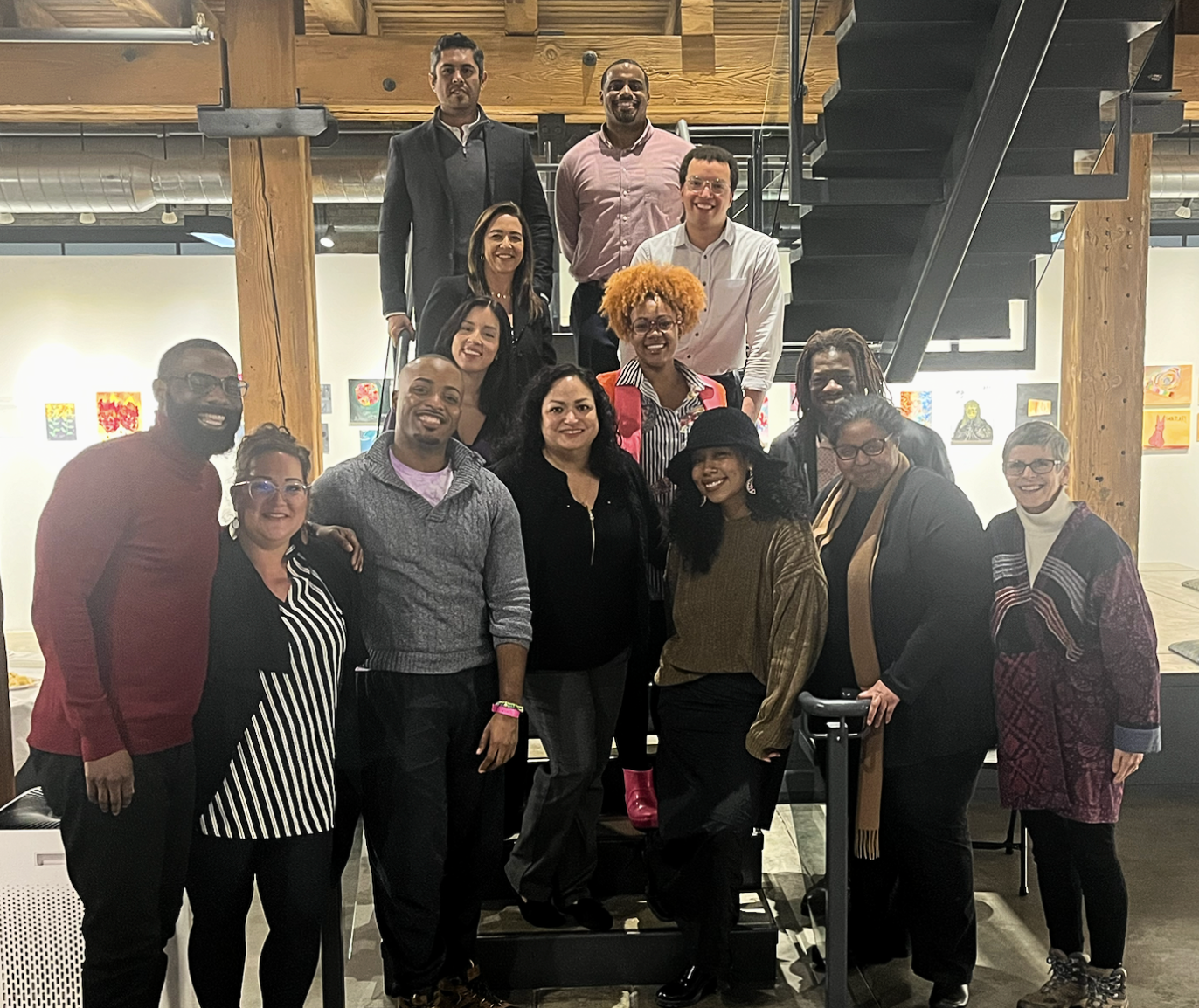
Members of the Pathways Program leadership celebrating Cohort 3 graduates in January 2024.
The Evaluation Pathways program values centering the voices of historically marginalized communities through culturally responsive and equitable evaluation (CRE) practices.
CRE is an intentional process where the evaluator applies critical self-reflection and cultural humility while working in partnership with community members, staff, funders, and/or interest-holders.
CRE aims to equip users with the tools to exercise their agency as active participants in the evaluation. This process facilitates the opportunity for users to gain valuable insights and answers to questions that can help users validate what is working well and identify areas for improvement within their organizational practices, programs, and/or services. It also helps evaluators do better work, understand the challenges we confront, and determine solutions that actually serve our communities, organizations, and individuals.

What is an Evaluator?
Evaluators help organizations understand how well their programs, services, or initiatives are working. They collect and analyze information from surveys, interviews, attendance records, or performance data to determine what is effective, what needs improvement, and why. Evaluators ask thoughtful questions, look for patterns and outcomes, and translate findings into clear insights that leaders and communities can use to make informed decisions. Ultimately, evaluators support learning and continuous improvement so that programs better serve the people and goals they are meant to impact.
Evaluators work across different sectors and organizations. People doing evaluation work hold different titles based on the type and size of the organization they work for. Some examples of titles from Pathways participants include roles focused on data and evaluation, such as data and evaluation and data specialist, data scientist, data analyst, research analyst, clinical research coordinator, manager of evaluation and impact, programs manager, project coordinator, and program associate. They also represent individuals in leadership roles, such as operations manager, director of leadership, chief of staff, and human resource director who want to improve on organizational climate, processes, and efficiency. Even community health workers, social workers, education specialists, child development specialists, and case managers collect information to report on the services that they provide and determine how to improve their work and streamline processes in support of the clients they support.
Pathways Program Alumni

-
Cohort: IV, Spring 2024
Current Position: Neighborhood Engagement Coordinator, Habitat for Humanity Chicago*
Evaluation Responsibilities: Evaluate effectiveness of neighborhood grants to create equitable funding structures
-
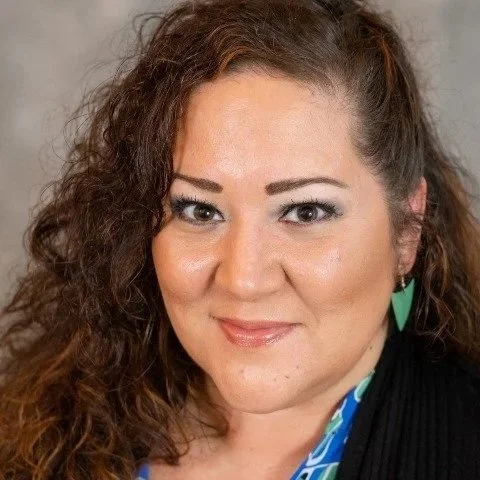
Cohort: I, Fall 2022
Current Position: Data and Grants Manager, Coleman Foundation
Prior Position-Pathways Participation: Director of Evaluation and Data, Enlace Chicago
Evaluation Responsibilities: Grants cycle management, reporting, compliance, data systems, evaluation and impact

-
Cohort: V, Fall 2024
Current Position: Resource Coordinator and Evaluator, WIN (Women in Need) Recovery
Prior Position-Pathways Participation: Resource Coordinator, WIN Recovery
Evaluation responsibilities: Comprehensive client assessments, developing individualized action plans, monitoring and adjusting participant progress and service plans, program evaluation, compliance, data Collection, data documentation, data outcome measurement, community collaboration, staff and intern training on trauma-Informed evaluation practices and compliance standards

-
Cohort: V, Fall 2024
Current Position: Project Lead, Puerto Rican Cultural Center
Prior Position-Pathways Participation: Program Coordinator, Puerto Rican Cultural Center
Evaluation Responsibilities: Data collection and documentation oversight, performance, monitoring and management, KPI tracking and outcome accountability, data integrity and quality assurance, data-informed decision making, reporting and grant compliance, regulatory and funder compliance accountability, evaluation plan implementation, risk management & ethical oversight, continuous quality improvement, stakeholder communication
-
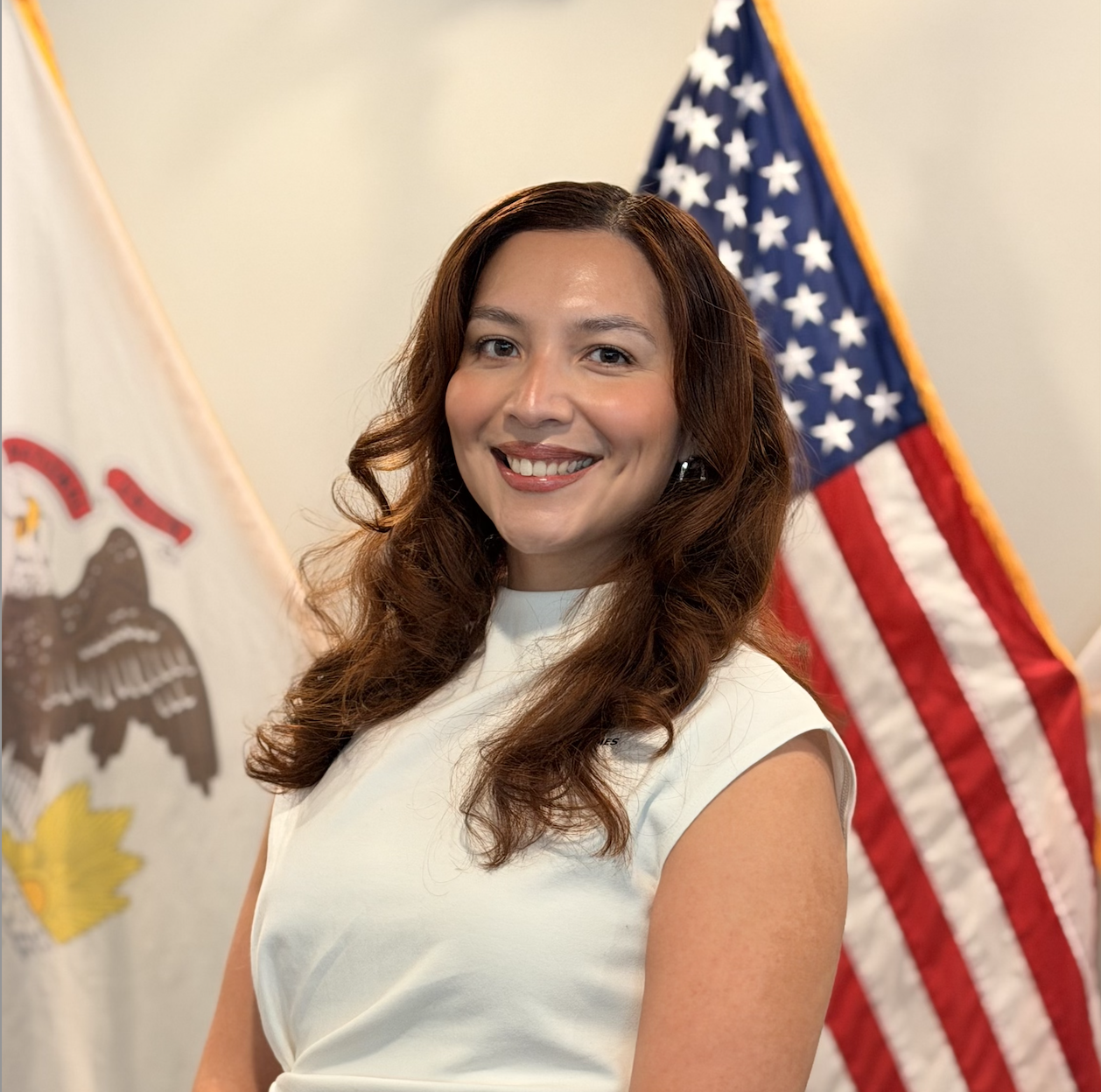
Cohort: VII, Fall 2025
Current Position: Engaged Citizens Program Manager, Mano a Mano Family Resource Center*
Evaluation Responsibilities: Organizational data tracking, grant reporting and impact measurement, community member interviews, continuing evaluation framework strengthening and advancement

-
Cohort: III, Fall 2023
Current Position: Co-Founder/CEO, Global Health Beat Foundation*
Evaluation Responsibilities: Member of evaluation core, participate in development of surveys, interviews and focus groups guides
Cohort: III, Fall 2023
Current Position: Co-Founder/CEO, Global Health Beat Foundation*
Evaluation Responsibilities: Member of evaluation core, participate in development of surveys, interviews and focus groups guides

-
Cohort: VI, Spring 2025
Current Position: Program Evaluation and Data Analyst, Family Focus*
Evaluation Responsibilities: Outcomes monitoring, program evaluation

-
Cohort: IV, Spring 2024
Current Position: Data and Evaluations Manager, AMPT: Advancing Nonprofits
Prior Position-Pathways Participation: Learning and Evaluations Manager, AMPT: Advancing Nonprofits
Evaluation Responsibilities: Developing and implementing a values-aligned evaluation framework, managing participant data and feedback to support the programs team in determining data-based adjustments that ensure nonprofits experience quality programming based on their organizational needs and priorities, analyzing data to communicate AMPT’s overall value and impact within the nonprofit capacity building sector

-
Cohort: I, Fall 2022
Current Position: Director of Early Childhood Learning and Strategy Lead of Inclusion and Belonging, Chicago Children’s Museum*
Evaluation Responsibilities: Program evaluation, observation-based documentation, qualitative data collection, designing evaluation frameworks, data analysis, program design, professional development, strategic decision-making
*Indicates that the participant holds the same position that they held during their participation in the Pathways program.